Updated 27 October 2026 · ADIN.AI
Most large advertisers use two or three of these together. Below you'll find a one-line verdict for each, a comparison table, and at the end the single question that tells you which combination you need.
- No platform does everything. Buying, planning, creative and finance usually live in different tools.
- Pick by job, not by feature list. Start from the decision that costs you most today.
- Walled gardens matter. A large share of spend runs in Google, Meta and Amazon. Check how each platform reads it.
- Ask who owns the data and the decision history. It decides how much you learn over time.
How did we compare them?
We looked at five things an enterprise media team asks about first: the main job the platform is built for, the channels it covers, how much it helps with budget decisions across channels, how it handles approvals and transparency, and who it is built for (brands, agencies or both). Descriptions are based on each vendor's public materials as of October 2026. Check details with each vendor, because products change fast.
Yes, we make one of these platforms. We've tried to say plainly where ADIN.AI is not the right choice.
The 8 platforms
1. The Trade Desk: best for independent programmatic buying
An independent demand-side platform for buying display, video, CTV and audio across the open internet, with AI-driven bidding. Strong when you have in-house or agency trading expertise and large programmatic budgets.
Watch out for: walled-garden spend (Meta, most of Google, Amazon's own inventory) is read and bought elsewhere, so you still need a cross-channel view.
2. Google Display & Video 360: best for buying across Google inventory
Google's enterprise DSP for display, video, YouTube and CTV, connected to the rest of Google Marketing Platform. A natural choice when YouTube and Google audiences carry a big share of the plan.
Watch out for: it optimises within its own buying; comparing it fairly with Meta, TikTok or retail media needs another layer.
3. Skai: best for retail media and search
An omnichannel platform built around commerce: retail media (such as Amazon and Walmart), paid search and paid social, with planning and measurement tools on top.
Watch out for: depth in programmatic, CTV and out-of-home if those carry a large part of your budget.
4. Smartly: best for social creative at volume
Creative automation and paid social execution. Strong for advertisers producing and testing many creative variations, especially on Meta, TikTok and other social platforms.
Watch out for: cross-channel budget planning beyond social.
5. Basis: best for agency planning and buying workflow
Planning, buying, workflow and reporting software, used mostly by agencies and some in-house teams. Useful when the main pain is operations: many plans, many vendors, many invoices.
Watch out for: how far its AI goes beyond workflow automation into deciding where budget should move.
6. Mediaocean: best for media finance and ad serving
Prisma for media workflow and finance controls, plus Flashtalking for ad serving and creative. The usual choice when billing, reconciliation and audit trails are the priority.
Watch out for: whether in-flight optimisation is in scope, or sits in other tools.
7. Sprinklr: best for social ads inside a customer experience suite
A unified customer experience platform covering care, listening, publishing and social advertising. Fits organisations that want social ads managed next to service and community teams.
Watch out for: paid media planning depth outside social.
8. ADIN.AI: best for cross-channel decisions and brand memory
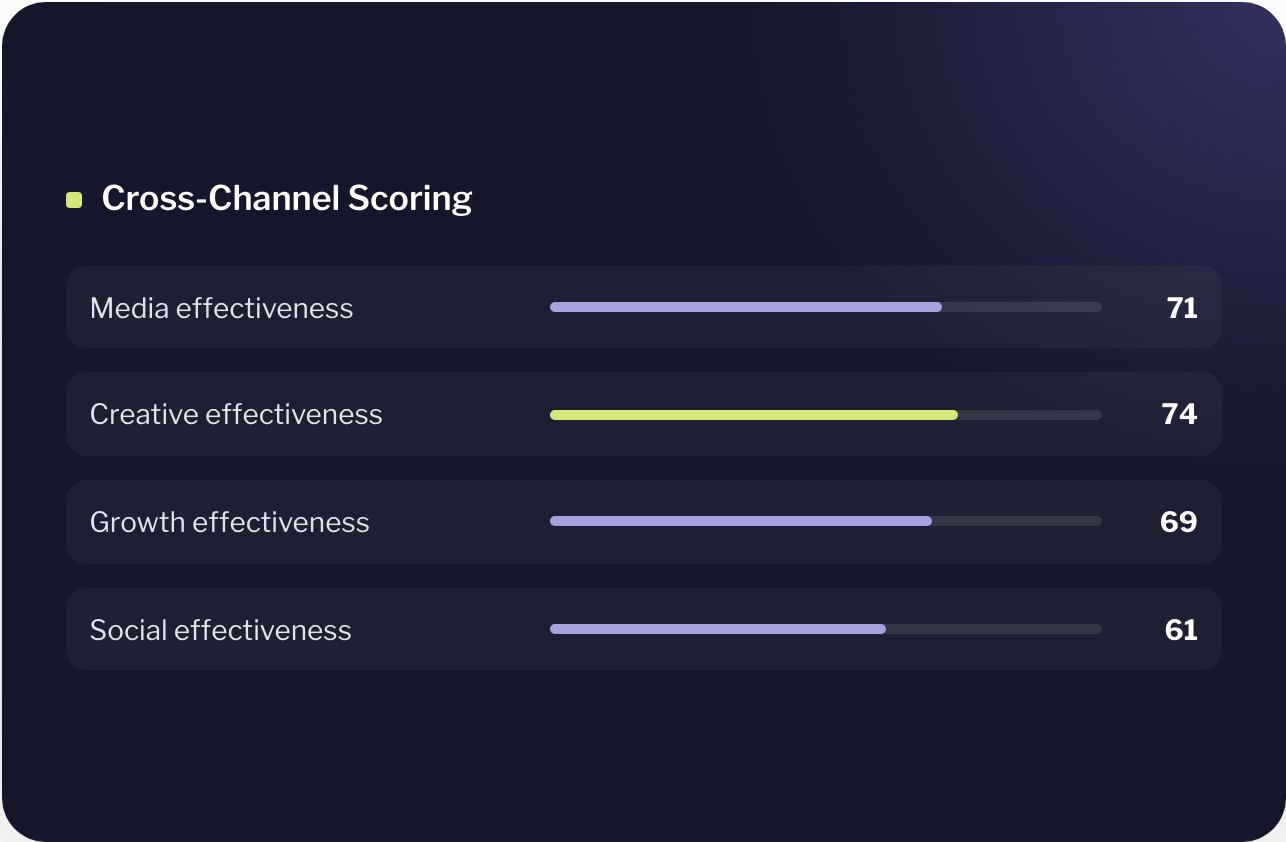
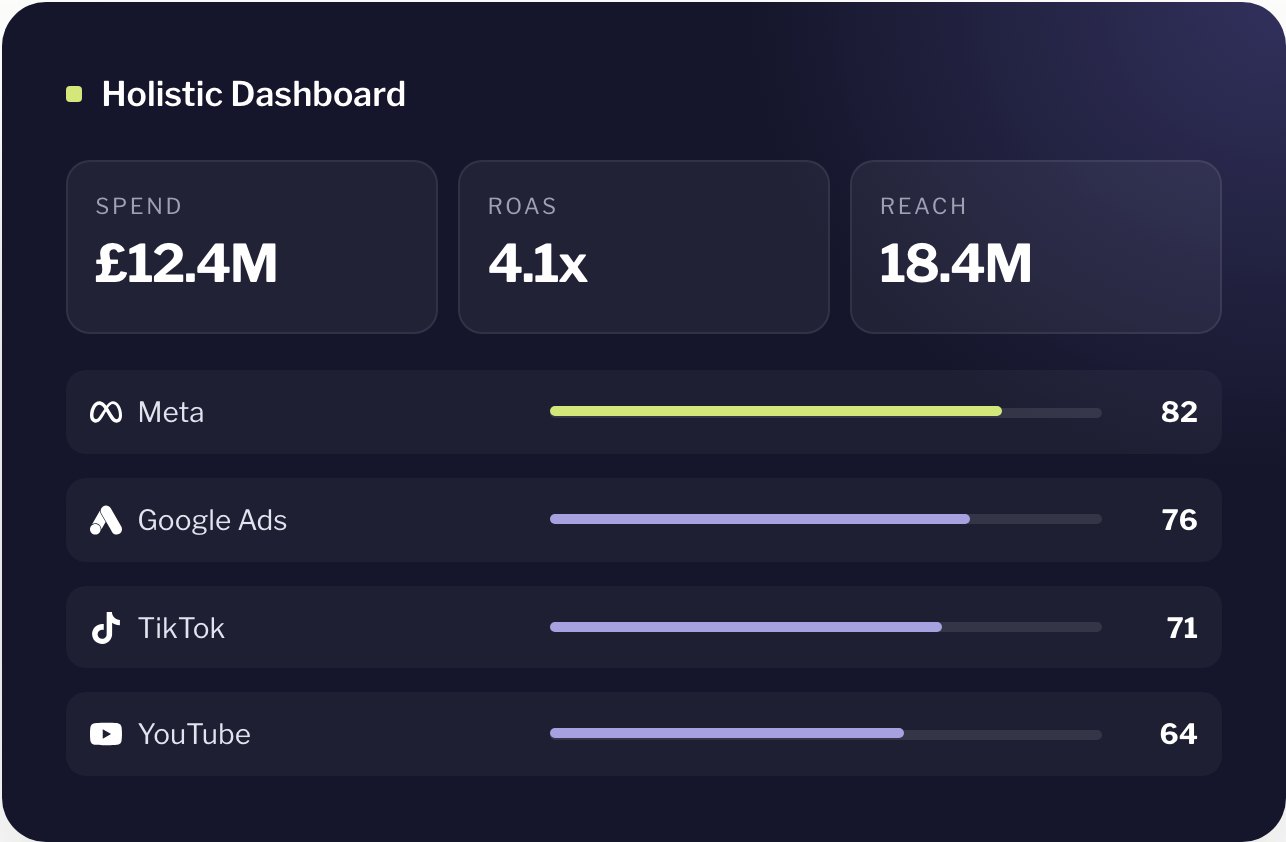
One AI platform that connects the channels you already buy in (Google, Meta, TikTok, DV360 and other DSPs, CTV) and turns them into plans, scores and actions. The AI Media Planner drafts cross-channel plans in minutes, the Budget Optimiser moves spend toward what works within rules you set, and Creative Intelligence scores assets across channels. Brand Memory keeps your rules, past decisions and feedback, so recommendations get more specific to your brand over time.
Trusted by 50+ brands in 20+ countries. L'Oréal started with one pilot and expanded to 20+ brands.
Watch out for: it doesn't replace a DSP or a retail media platform, and it's built for enterprise budgets. Small advertisers on one or two channels are better served by native platform tools.
How do they compare?
| Platform | Main job | Channels | Cross-channel budget decisions | Built for |
|---|---|---|---|---|
| The Trade Desk | Programmatic buying | Display, video, CTV, audio (open web) | Within its own buying | Brands and agencies with trading teams |
| Google DV360 | Buying on Google inventory | Display, video, YouTube, CTV | Within Google | Brands and agencies |
| Skai | Retail media and search | Retail media, search, social | Strong within commerce channels | Commerce-heavy brands |
| Smartly | Social creative and execution | Mainly social | Mainly within social | Brands and agencies with high creative volume |
| Basis | Planning and buying workflow | Programmatic plus workflow across vendors | Workflow focus | Mainly agencies |
| Mediaocean | Workflow, finance, ad serving | Across vendors (finance view) | Not the core focus | Agencies and large advertisers |
| Sprinklr | Customer experience incl. social ads | Social | Within social | Large brands with CX teams |
| ADIN.AI | Cross-channel decisions, brand memory | Search, social, DSPs, CTV, retail and more | Core focus, with approvals and change log | Enterprise brands, also agencies |
Which platform should an omnichannel agency choose?
Agencies usually need two layers: a buying or workflow tool their traders already know (The Trade Desk, DV360, Basis or Mediaocean) and a way to show each client one honest view across every channel. The second layer is where clients ask the hardest questions. They want to see why budget moved, not just that it did.
If that's your gap, look for client-level brand rules, approval steps per client, and a change log you can share. ADIN.AI works with agencies this way, as the cross-channel layer on top of their existing buying tools.
Which platform gives the most budget transparency?
Transparency means three things: you can see every channel in one view, every budget move has a readable reason, and you own the data afterwards. Finance-first tools like Mediaocean are strong on the money trail. DSPs are transparent about their own buying. For transparency across the whole mix, you need a layer that reads all channels and logs every decision, which is the job ADIN.AI is built for.
The one question that picks your stack
Where do you lose the most money today: in buying, in creative, in workflow, or in the decisions between channels?
- Buying → start with a DSP (The Trade Desk, DV360).
- Commerce channels → Skai.
- Creative volume on social → Smartly.
- Operations and finance → Basis or Mediaocean.
- Decisions between channels, and learning from them → ADIN.AI, alongside the tools above.
Frequently asked questions
Is there one platform that manages every digital channel?
Not for buying. Buying still happens in DSPs and walled gardens. Some platforms, including ADIN.AI, connect all channels for planning, scoring and budget decisions on top.
What is the difference between a DSP and a cross-channel AI platform?
A DSP buys inventory. A cross-channel AI platform reads results from every place you buy, including the DSP, and decides where the next dollar should go.
Which ad platforms are best for enterprise brands in Türkiye?
The same categories apply. Global DSPs and walled gardens handle buying, and brands such as İş Bankası and Vodafone use ADIN.AI for the cross-channel layer. See our guide for enterprise advertisers in Türkiye.
How long should a platform pilot run?
Long enough to cover at least one full budget cycle, with a baseline agreed before it starts. Otherwise every result turns into a debate.
Is ADIN.AI an agency or an ad network?
Neither. It's a software platform. Buying stays in your accounts and your DSPs.
Note: Vendor descriptions are based on public information as of October 2026. ADIN.AI customer results are company-reported.