Updated 27 October 2026 · Serhat Gurcu, Co-founder & CEO
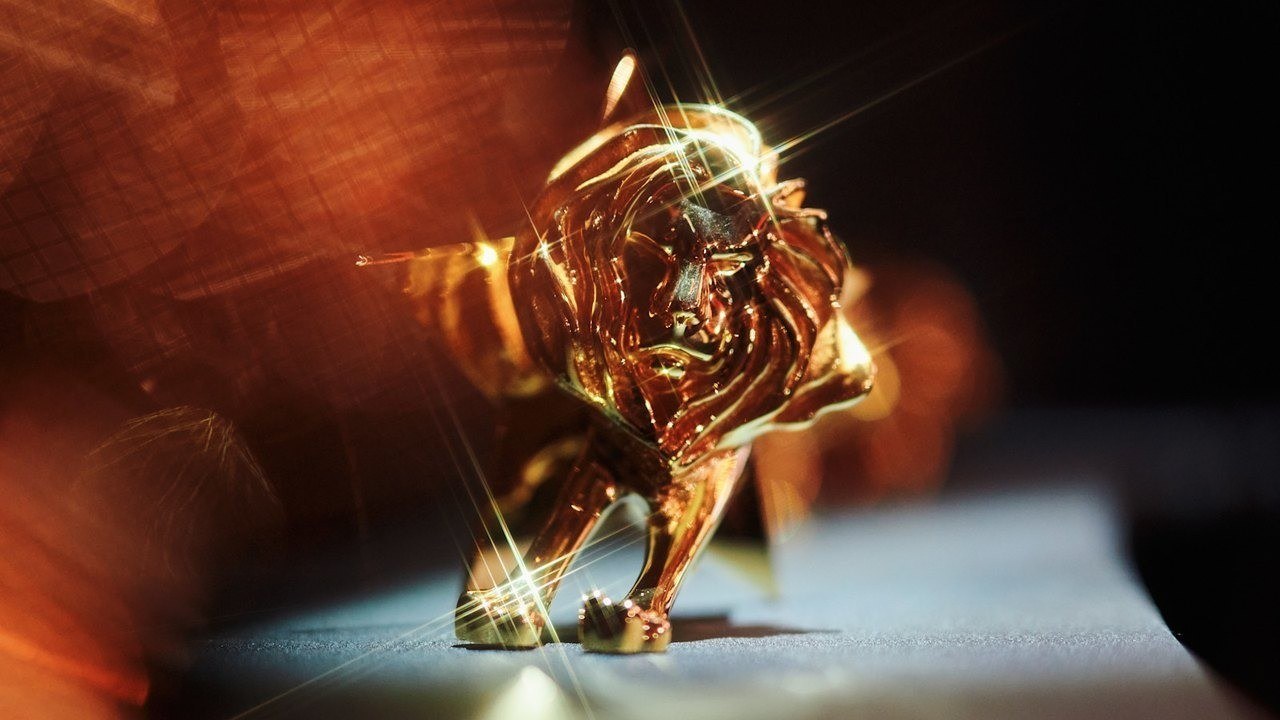
Finding a tension consumers never say out loud, seeing the problem a brand can actually solve, and turning that into something people remember: this is still the hardest part of advertising. At Brave New World, our sister creative agentcy in London, we've been testing how far AI can go in exactly that part of the work. I picked Cannes Lions for the question on purpose. It's where the best work in the world competes and where winning is hardest, so it puts the bar for AI as high as it goes.
This piece explains what we built, what real briefs have taught us so far, and why ADIN.AI is now offering it to large brands as AI Services.
- Brave's Creative Intelligence System (CIS) is built for real enterprise briefs: global brand rules, many markets, approval steps and a strategic reason behind every idea.
- Eight AI agents work next to the human team, from the brief through research, strategy, concepts and scoring to the final presentation. People choose the idea and sign it off.
- Award Intelligence gives the system the patterns behind 3,000+ award-winning campaigns.
- ADIN.AI AI Services lets a brand start on one real brief, with experts running the system, before it decides what to run on its own.
Can AI be creative in advertising?
It can widen the search a lot. Whether the result is any good is still a human call.
Every day there's a new demo on X that turns a few prompts into a campaign, a visual or a headline. A real brief from a large brand asks for something else. It comes with global brand rules, several markets, approval steps, a strategic reason the idea has to stand on, and a creative standard nobody will lower because the work was faster to make.
We designed the Creative Intelligence System for those conditions. It's meant for experienced advertising people, not as a replacement for them. At the centre there's always a person who knows why they're doing what they're doing: someone who asks the right question, pushes back on the findings, picks the right idea for the brand and takes responsibility for that choice. CIS gives that person far more research and creative range than they'd have alone.
How does an AI creative agency work?
In our case, eight agents, each built with its own methods, sources and examples, pass the brief between them after the human team has read it.
 EmilyClient director
 LenaConsumer research
 AnnaStrategy
 MayaFilm ideas
 CanConcepts
 LeoQuality gate
 SamPresentation
- Emily works like a client director. She reads the brand's history and the brief, finds what's missing and sets the frame for the work.
- Lena researches the consumer. Using web research, synthetic personas and moderated panels, she builds hypotheses about the gap between what people say and what they do.
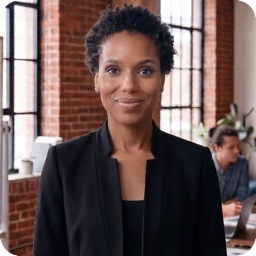
- Anna tests those hypotheses against evidence and turns them into strategic directions, so it's clear what the research is telling the creative team.
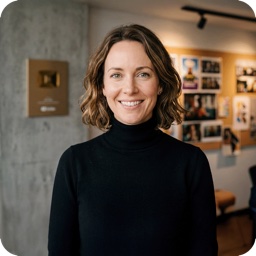
- Maya has studied the story structure and emotional flow of films that won in the craft categories. She develops film ideas and scene-by-scene scripts.
- Can goes after concepts you can say in one sentence, working from cultural tensions, ideas that flip expectations and the patterns of awarded campaigns.
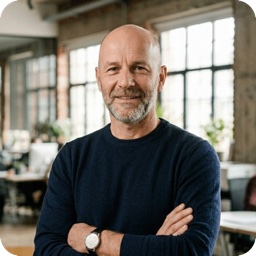
- Leo judges ideas against criteria drawn from awarded work: creative strength, emotional impact, originality. He also flags when an idea looks too much like something that already exists.
- Sam pulls the whole thing into a clear, persuasive presentation.
- Scout reads award archives and trade press to keep the system's knowledge of awarded work current.
Research feeds strategy, and strategy feeds the idea. If scoring shows an idea is weak, it goes back and gets developed again. The human team steers the process throughout and makes the final creative call.
What is Award Intelligence?
What excites us most about CIS isn't the workflow. It's what the workflow draws on.
We fed the system pattern analyses of more than 3,000 award-winning campaigns from 12 award shows, from 2010 to 2025. For each one we asked the same questions. Which consumer tension did it find? Where did the brand sit inside the idea? How was the story built? What was the creative mechanism that changed people's attention, involvement or behaviour?
With every new brief, CIS matches the problem and the brand's situation against those patterns. Faced with a trust problem, it can look at the different creative routes brands have used to build trust. If every brand in a category says the same thing, it can open new ground from the work that broke that sameness.
To me, the big potential here is turning what advertising has learned over decades into something you can use on every single brief. An experienced creative carries the work they've seen, their observations and their life in their head, and makes connections between them when a new problem lands. CIS helps us search for those connections across a much wider field.
Knowing what won before doesn't guarantee the next award, of course. Repeating the same patterns is a fast way to make lookalike work. That's where a good creative earns their keep: seeing which connection can become a new idea, and knowing when to walk away from what worked last time.
Is it working on real briefs?
We've started testing it on real ones. One of the UK's leading telecom brands is trying CIS now. The early results and feedback have been good, and the test is still running. What we learn from it goes straight back into the system.
What are ADIN.AI AI Services?
What a system can do matters. How a company starts using it matters just as much.
In more than 300 one-to-one conversations with customers at ADIN.AI, we've seen the same friction again and again when large brands adopt AI. The interest is there. Making it part of daily work takes more than access to a product.
Part of that friction is cultural: team habits, how much people trust a new system, how decisions get made. The other part is structural: existing tools, data flows, global brand rules and approval chains decide how a new technology can be used at all. A good AI product doesn't make those obstacles disappear. Brands need to see how it creates value in their own work, and they need time to get used to a new way of working.
AI Services is the bridge. A brand starts on one real brief without changing its whole way of working. Our specialists apply the AI systems to the work, review what comes out and refine it to the brand's standards. As the brand team sees results, they build trust and get a clearer view of which work they could run directly on AI products later.
That's why we've started offering the approach we built at Brave to large brands as AI Services, within ADIN.AI. Research, strategy and creative idea development, adapted to the way the brand already works.
Will AI replace creative agencies?
It will change who can start one.
Forbes recently wrote about Ravenopus, a one-person marketing agency that runs on 35 specialised AI agents. One example doesn't tell you where a whole industry is going. It does show how much the starting conditions have changed.
I believe we're heading into the era of the one-person agency. A strategist or a creative will combine their own expertise with what agents can do, take on bigger work, and bring in other specialists when they need them. They won't have to build a large organisation to get started.
The discipline that working with big brands demands isn't going anywhere. What changes is how much capacity one experienced person can reach to meet that standard.
So when everyone has access to similar tools, what makes the difference? The person. What they've lived through, what they notice, which feeling they recognise, which idea they have the nerve to stand behind.
That's also how brands come to mean something in people's lives: through a memory, a sense of trust, a wish to belong, something people have actually lived. Good advertising finds the link between those feelings and what a brand can offer. AI can show more possibilities and make connections we didn't expect. It can be a strong partner when you're developing an idea. The person brings their own experience, instinct and creative judgement.
So I don't think human value goes down as agents get more capable. I think more people will be able to turn what they know into an idea, a piece of work, and an agency of their own.
So, can AI agents win at Cannes Lions?
Why shouldn't an idea developed by people and agents together win? If it moves people, builds a meaningful link with the brand and creates value in real life, we have a strong reason to stand in front of a jury.
At Brave, we're testing that on real briefs: combining what advertising has learned over the years with what agents can do, and adding our own experience, instinct and nerve.
We'll be at Cannes Lions in 2027 with an idea that people and agents developed together. Let's see what the jury makes of it.
Frequently asked questions
What is an AI creative agency?
A creative agency where human creatives and AI agents work the same brief. At Brave New World, agents handle research, strategy, concept development and scoring, and human creative directors lead the work and sign it off.
What is the Creative Intelligence System?
The AI system behind Brave New World's work: eight AI agents trained on the patterns of 3,000+ award-winning campaigns, working with a human team from the brief to the final presentation.
Do the AI agents replace the creative team?
No. People decide the direction, judge the ideas and make the final creative call. The agents widen and speed up the search.
What are ADIN.AI AI Services?
A way for large brands to start using AI on one real brief, with specialists running the AI systems and refining the output to the brand's standards, before the brand decides which work to run on AI products itself.
How is this different from ADIN.AI Creative Intelligence?
Creative Intelligence in the ADIN.AI platform scores and watches the creative already running on your channels, for example with creative effectiveness scoring and fatigue detection. The Creative Intelligence System at Brave develops new ideas from a brief.
Sources: Forbes, 17 August 2026: a one-person marketing agency with 35 AI agents. Brave New World is ADIN.AI's sister company in London. Cover photo: Mike Massaro / Cannes Lions. The current scope of CIS, the telecom test and the 300+ customer conversations are based on statements by the founders.